Are you struggling to see the future of beauty packaging? The noise from trade shows can be overwhelming, making you miss the trends that truly matter for your brand's growth.
The top trends from Cosmoprof Asia 2025 focus on deep sustainability, smart functional design, and rich sensory experiences. The key takeaway is that packaging must now offer tangible value, from eco-credentials with new materials to refill systems and unique textures that connect with consumers emotionally.
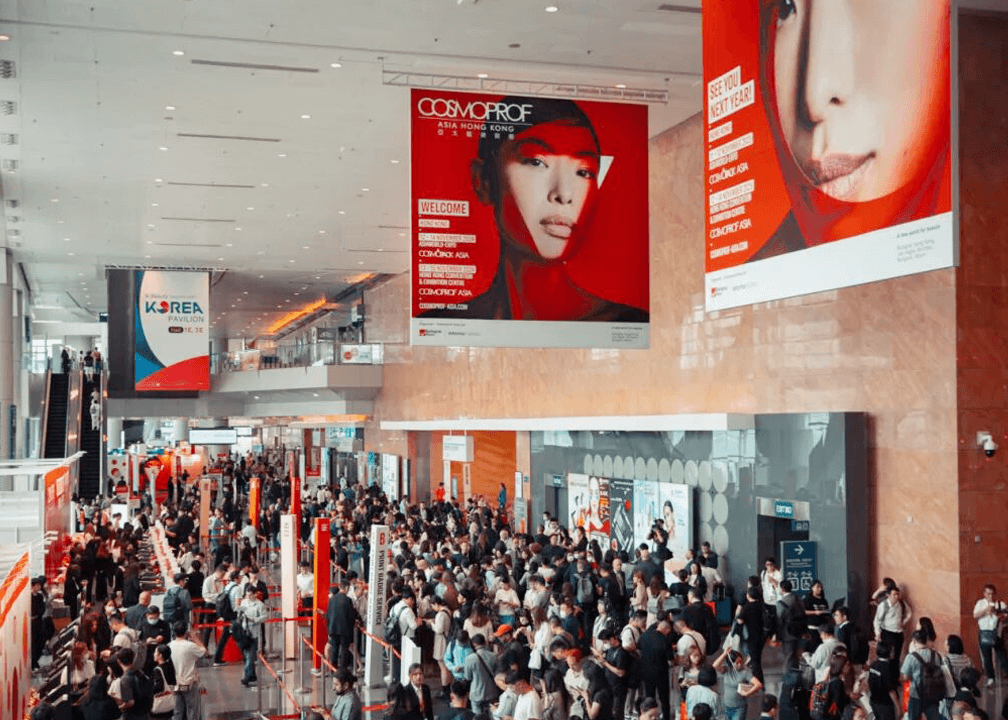
The energy at Cosmoprof Asia 2025 was electric. After years of dedication to sustainable innovation, it was incredible to see the entire industry moving in this direction. Our booth was constantly filled with brand leaders, and the conversations were not just about products, but about shared values and building a better future. As I walked the floor and talked with partners, both old and new, it was clear that a major shift is happening. This isn't just about buzzwords anymore. It's about real, actionable change. I'm excited to share the crucial insights we gathered that will shape the beauty landscape.
Before the show even began, we shared what visitors could expect at our booth—from new materials to functional prototypes—in our event preview: Meet Rivta at Cosmopack Asia 2025. Seeing those plans come to life on the exhibition floor made this year’s show especially meaningful.
Trade shows can feel chaotic and unfocused. It is easy to get lost in the details and miss the main message that directs the industry’s future.
The big picture from Cosmoprof Asia 2025 was clear: the industry is moving towards holistic brand experiences. It's no longer just about a single eco-friendly bag. It's about telling a complete story through sustainability, thoughtful design, and creating products for every part of a customer's life.
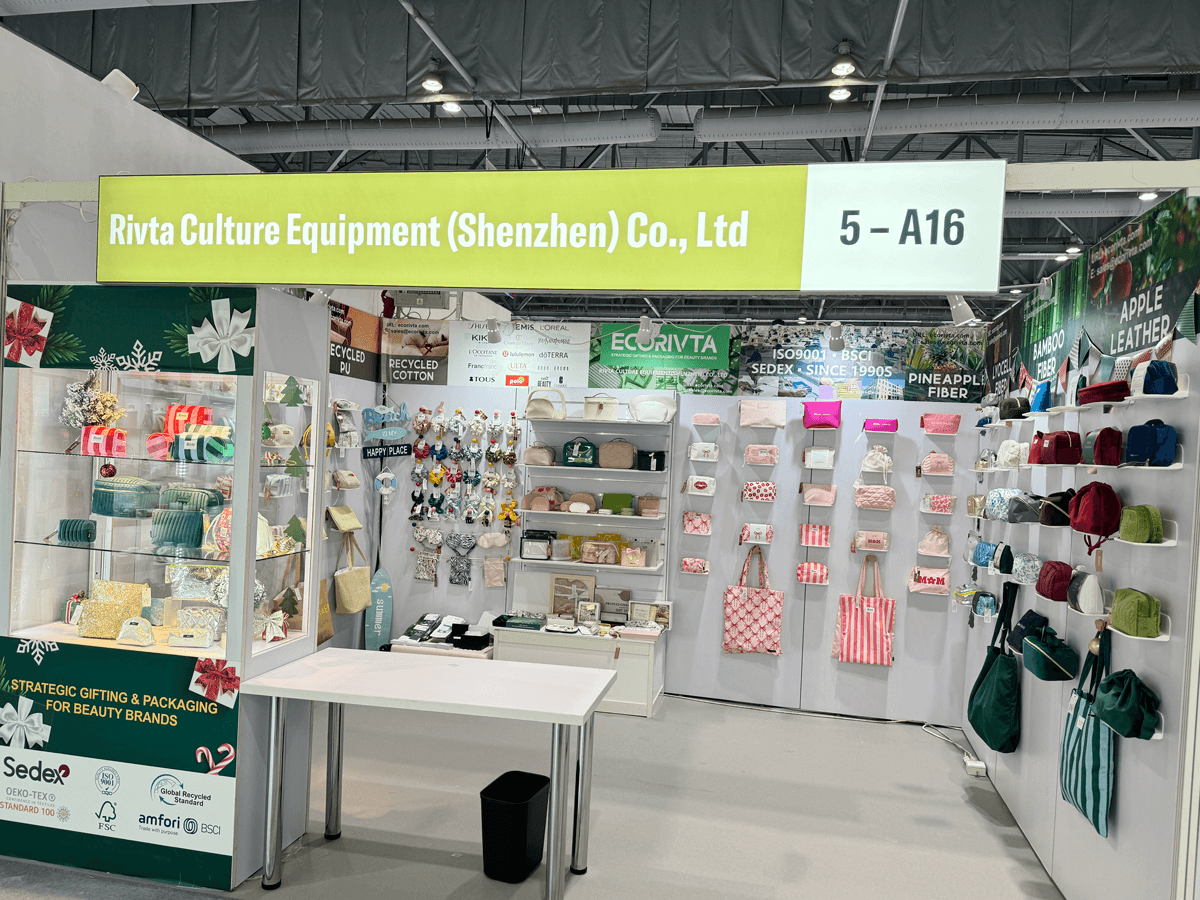
This year felt different. There was a powerful sense of optimism and a collective drive toward meaningful innovation. We designed our own booth to capture this spirit. Instead of just lining up products on a shelf, we created three distinct worlds: a festive Christmas scene, a warm Mother's Day setting, and a vibrant Summer display. This approach showed brands how sustainable products can be woven into any campaign or season. It demonstrated that being eco-conscious does not limit creativity; it enhances it. We showed how a set of cosmetic bags, eye masks, and scrunchies made from plant-based materials could become the perfect holiday gift set or a seasonal promotion. The reaction was incredible. Brands finally saw a clear path from a sustainable material to a successful product on the shelf.
For a deeper look at what happened inside our booth—including visitor reactions, theme concepts, and material highlights—you can explore our full event recap here: How Rivta Made a Splash at Cosmopack Asia 2025.
The most successful brands are thinking beyond one-off items. They are building ecosystems. A customer might first buy a cosmetic bag, then come back for a matching travel set, an eye mask, or a headband. This trend was a major topic of conversation. Brands want partners who can supply a range of beautiful, high-quality, and sustainable items that work together. This is where we excel. Our ability to produce everything from gift boxes to hair accessories using the same eco-friendly vision helps our partners build a stronger, more cohesive brand identity that keeps customers coming back.
After the show, many buyers continued the conversation by asking about sourcing, MOQs, materials, and timelines. To address these questions, we created a detailed guide that covers the most common questions brands ask when partnering with us, helping teams move from inspiration to actionable planning.
Many brands feel stuck using the same "eco" materials. They worry about greenwashing claims and struggle to find truly innovative, certified sustainable options that excite customers.
To stay ahead, check out our overview of the 5 Sustainable Cosmetic Packaging Trends to Watch for at Cosmopack Asia 2025, which dives into what’s next beyond the buzzword “green”.
Sustainability in 2025 is all about radical transparency and material innovation. The focus is on certified recycled inputs like rPET and Recycled Nylon, and exciting new plant-based fibers. 'Green' now means a measurable, story-driven approach to materials that consumers can easily understand and appreciate.


The biggest conversations at Cosmoprof were about the next generation of materials. Simply saying "eco-friendly" is no longer enough. Brands need to be specific, and we've built our entire mission around this. For over two decades, my life has been this company. As a mother, the drive for a sustainable future is personal, and I bring that passion to our work. We are going deeper into two key areas: advanced recycled materials and pioneering plant-based alternatives. It is not just about having options; it is about guiding our partners to the right material for their product's function, price point, and brand story. This level of detail is what separates leaders from followers in the sustainable space. Helping our clients navigate this is what we do best.
These materials are the backbone of the circular economy. They take waste and turn it into something new and beautiful. The key is certification, ensuring full traceability.
For brands evaluating how certifications like Sedex, BSCI, and ISO influence sourcing transparency and supply-chain accountability, we’ve outlined a clear breakdown in our detailed guide: Why Quality Certifications Truly Matter for Your Brand. This context helps you understand why material selection and manufacturing standards must go hand in hand.
| Material | Best Use Case | Key Benefit |
|---|---|---|
| Recycled PET (rPET) | Cosmetic Bags, Totes | Diverts plastic bottles from landfills. |
| Recycled Nylon | Toiletry Bags, Linings | Durable and strong, made from post-industrial waste. |
| Recycled Cotton | Makeup Pouches, Dust Bags | Reduces water usage and chemical pollution. |
| Recycled Mesh | See-through Pouches | Breathable and light, gives waste a second life. |
This is where the most exciting innovation is happening. These materials offer unique textures and powerful sustainability stories that connect with nature-focused consumers.
| Material | Unique Feature | Brand Story Angle |
|---|---|---|
| Pineapple Fiber | Leather-like texture | A beautiful leather alternative from fruit waste. |
| Banana Fiber | Silky and strong | Weaving wellness from nature's own fibers. |
| Bamboo Fiber | Soft and antibacterial | Naturally clean and kind to the skin. |
| Organic Cotton | Classic and pure | Grown without pesticides, protecting soil and water. |
| Lyocell Fiber | Smooth and cool touch | Made from wood pulp in a closed-loop system. |
Is your packaging just a container? In a crowded market, generic packaging gets ignored. Brands struggle to create products that are memorable and add real value to a customer's daily life.
'Smart & Sensory' packaging turns a simple bag into an experience. 'Smart' means refillable systems, convertible designs, and multi-use functions. 'Sensory' means using unique textures, innovative prints, and surprising material combinations to create an unforgettable first touch.
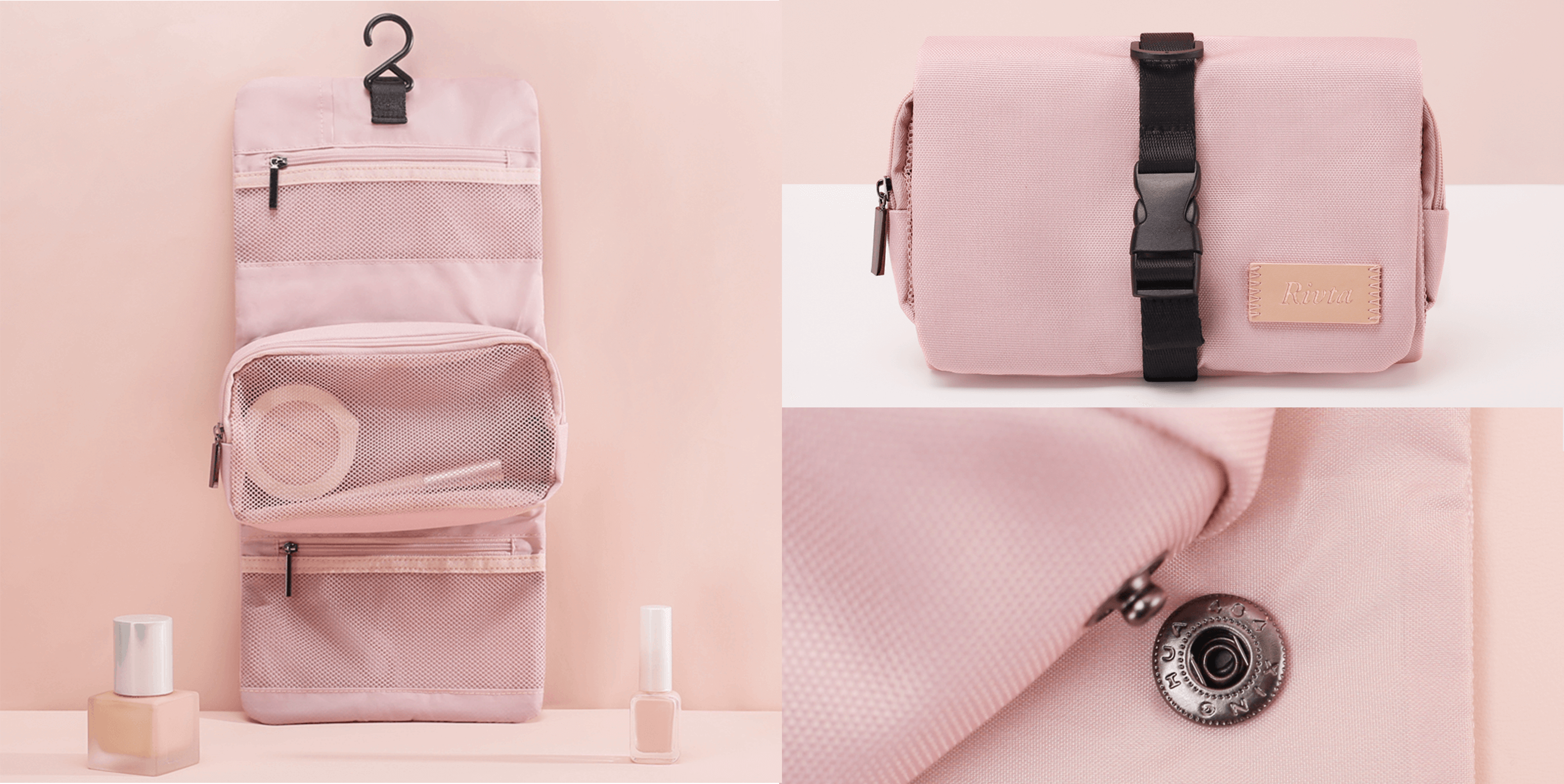
Beyond sustainability, the other major trend is making packaging work harder and feel better. Our partners, especially those in the wellness and personal care space, know that their customers want more than just a product. They want an experience. This is where 'Smart' and 'Sensory' innovations come in. A 'smart' design might be a cosmetic case with removable pouches that the user can customize for travel. It could be a refillable system that reduces waste and builds brand loyalty. 'Sensory' is just as important. I watched as visitors at our booth touched a bag made from Pineapple Fiber or felt the softness of a Bamboo Fiber eye mask. Their reactions showed that touch is a powerful tool for connection. In a digital world, these physical, tactile moments are what make a brand stand out.
Smart design is about intuitive function. It anticipates the user's needs and provides a clever solution. This adds real-world value and makes the product indispensable.
Sensory design forges an emotional connection. It’s what makes a customer choose one product over another on a crowded shelf.
Learning about trends is inspiring, but how do you actually apply them? Many brands lack the in-house expertise or manufacturing partners to turn these new ideas into reality.
Turning trends into triumphs means having a partner who can execute. It requires a team that understands material sourcing, functional design, and high-quality manufacturing. This is how you translate an idea from a trade show into a best-selling product for your brand.
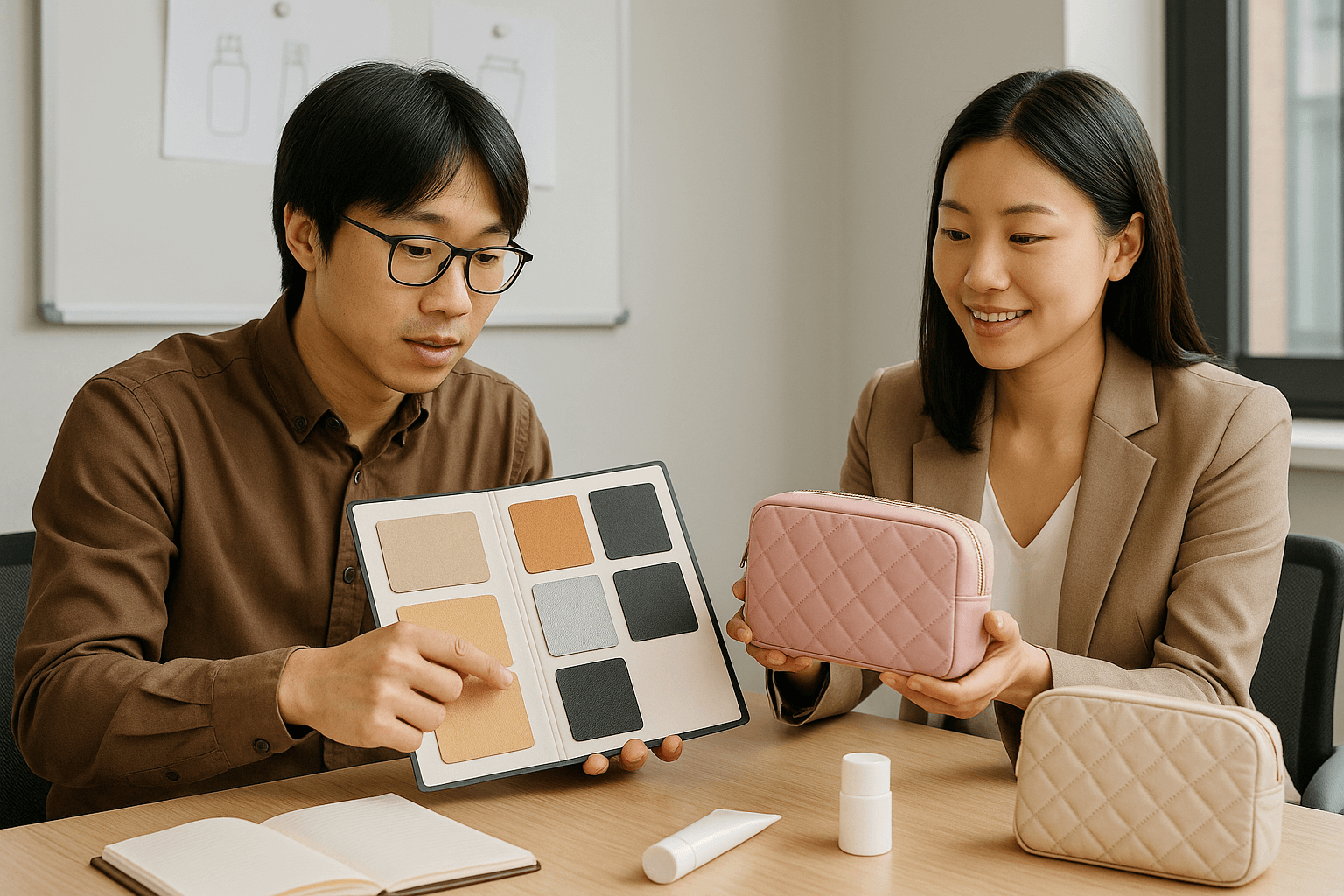
This is the most important question. Information is useless without action. At Rivta, our mission is to be the catalyst that turns these trends into your success. My two decades of hands-on experience have taught me that true partnership is about solving problems together. When a client like our foundational partner in the wellness sector comes to us, they don’t just ask for a bag. They ask, "How can we scale our sustainable vision? How can we create a refill system that feels premium? How can we find a plant-based material that aligns with our brand?" We work as an extension of their team to find the answers. We help them navigate the complexities of the supply chain, develop innovative structures, and manufacture products that perfectly balance quality, cost, and their unwavering commitment to the planet.
>>>Learn More about Rivta
We make implementing these trends seamless. Here’s how we help our partners:
Cosmoprof Asia 2025 proved that the future of packaging is sustainable, smart, and sensory. By focusing on these core trends, your brand can create products that truly connect with consumers.

Hi there! I'm a mom to an awesome eleven-year-old boy. By day, I'm a leader who literally grew up in this business—from a fresh-faced grad to running the company today. Here to share my passion for sustainability and building a business that cares. Let's grow together!

