A toiletry bag specification sheet turns a product idea into a sample-ready file. It should define contents, size, structure, lining, hook, zipper, logo, packing and approval checkpoints before quotation.
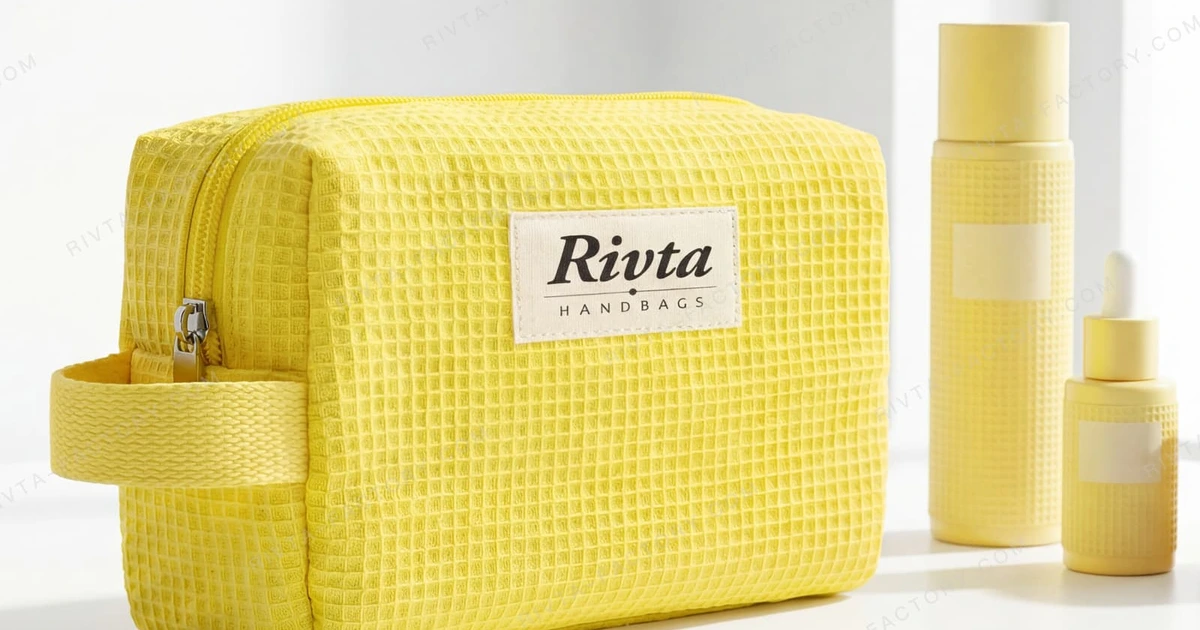
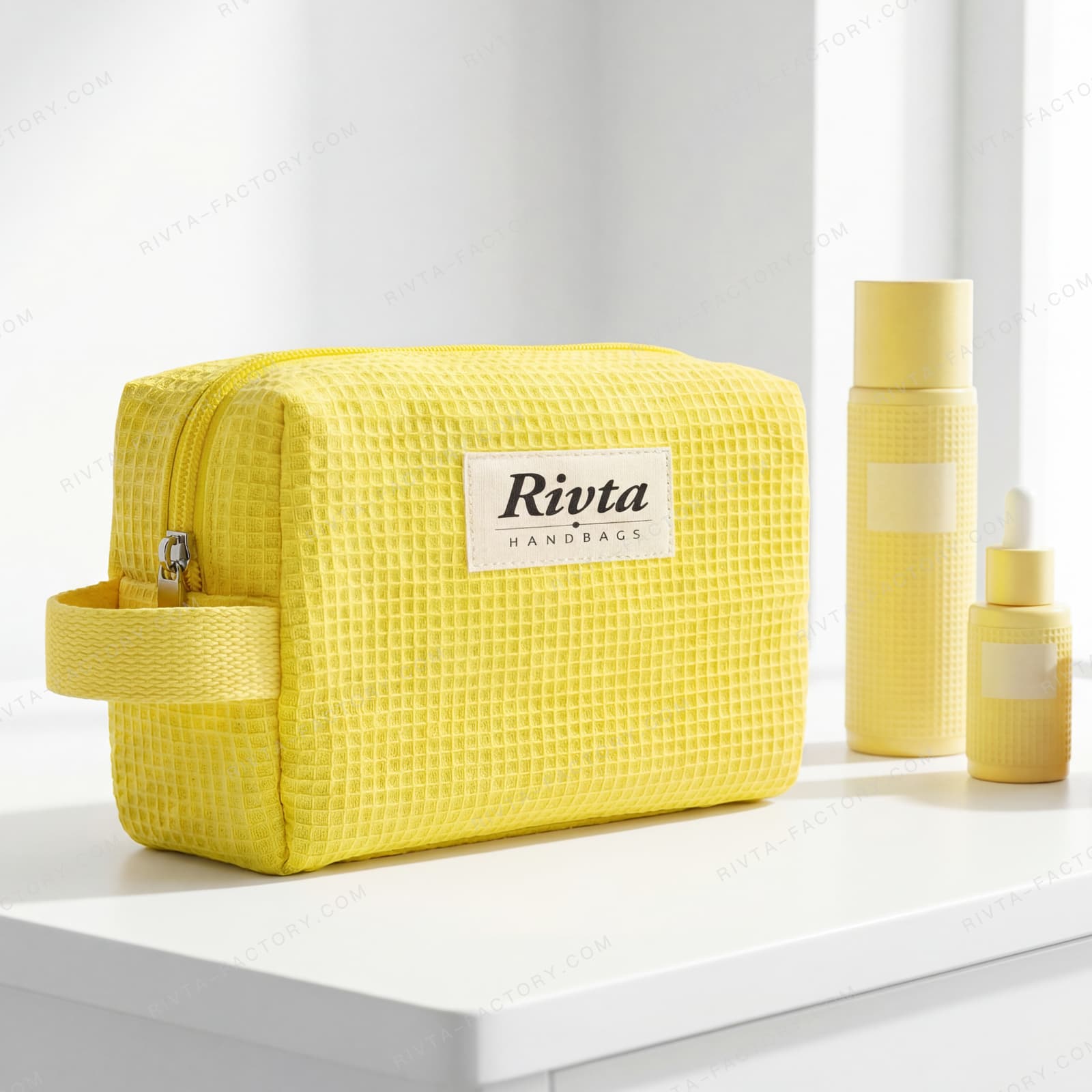
A custom toiletry bag specification sheet should define use case, contents, size, material, lining, waterproof need, hook, pocket layout, zipper, logo method, packing, MOQ, sample deadline and QC checkpoints. It helps beauty, hotel, airline and travel program buyers compare factory routes without mixing product design and price negotiation. Rivta fits MOQ 500+ OEM/ODM toiletry bag projects where sample-first approval is required.
A custom toiletry bag is easier to quote when the buyer sends a specification sheet instead of only a product photo. The sheet should describe the use case, contents, size, material route, inside structure, logo, packing and approval file. That lets Rivta recommend a practical OEM/ODM route before sample work starts.
This sheet is useful for travel retail, beauty brand travel kits, hotel amenity programs, airline amenity pouches, private-label Dopp kits and hanging wash bag projects. It keeps the inquiry focused on factory production instead of small stock wholesale.
| Spec field | Buyer should define | Why it matters |
|---|---|---|
| Use case | Travel retail, hotel, airline, beauty kit, Dopp kit or hanging bag | Sets durability and structure |
| Contents | Bottle sizes, tools, cards, samples or empty pouch use | Controls size and compartment design |
| Size | Flat size, depth, gusset and open size if hanging | Prevents unusable sample |
| Material | TPU, rPET, canvas, PU, nylon, cotton or supplier recommendation | Controls handfeel and price |
| Lining | Wipe-clean, textile, clear film or no lining | Controls bathroom handling |
| Hook | Metal hook, plastic hook, no hook or loop handle | Controls hanging use and cost |
| Logo | Print, label, embroidery, deboss, puller or package-only | Controls branding and sample process |
| Packing | Polybag, sleeve, hangtag, insert card, retail box or carton mark | Controls labor and handoff |
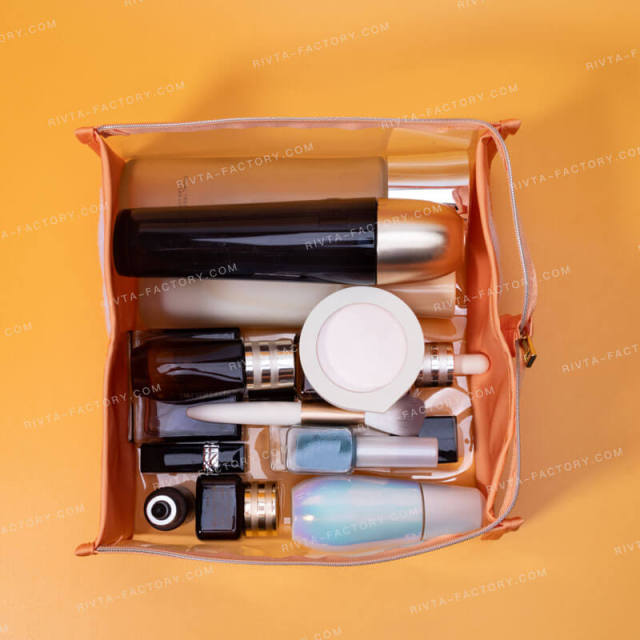
Toiletry bag size should be based on real contents. A buyer should send bottle diameter, bottle height, tube length, razor or brush length, card size and any internal organizer requirement. If the bag is used for hotel or airline amenity contents, the contents list should be attached before pattern approval.
A bag that looks correct when empty can fail after loading. The zipper can strain, the hook can pull, the bottom can collapse or the pocket can hide the logo. Use a contents-fit check before approving the sample.
| Contents detail | Specification note | Risk if missing |
|---|---|---|
| Tall bottles | Height, diameter and cap shape | Bag closes in photo but not in real use |
| Flat cards | Card size and paper thickness | Card bends or changes pouch shape |
| Tools | Brush, razor, comb or applicator length | Pocket route is wrong |
| Liquids | Leak risk and wipe-clean need | Lining route is under-specified |
| Gift set items | Total weight and display expectation | Handle or hook route may fail |
Structure decides whether the toiletry bag is a simple pouch, Dopp kit, hanging wash bag, fold-out organizer or clear travel pouch. The buyer should not ask for one price until the structure is known. A hanging toiletry bag with hook, mesh pocket and internal elastic loops is not the same production route as a simple zipper pouch.
Lining should match the use case. Bathroom and travel routes often need wipe-clean lining or clear film, while premium gift routes may use textile lining. If the buyer needs a hanging hook, specify hook material, hook size, orientation and loaded weight expectation.
Suitable when contents are light and the buyer needs flexible packing.
Suitable for structured travel or men's grooming routes.
Suitable when the buyer needs a hook, pockets and bathroom access.
Suitable when visibility, wipe-clean handling or travel-set review matters.
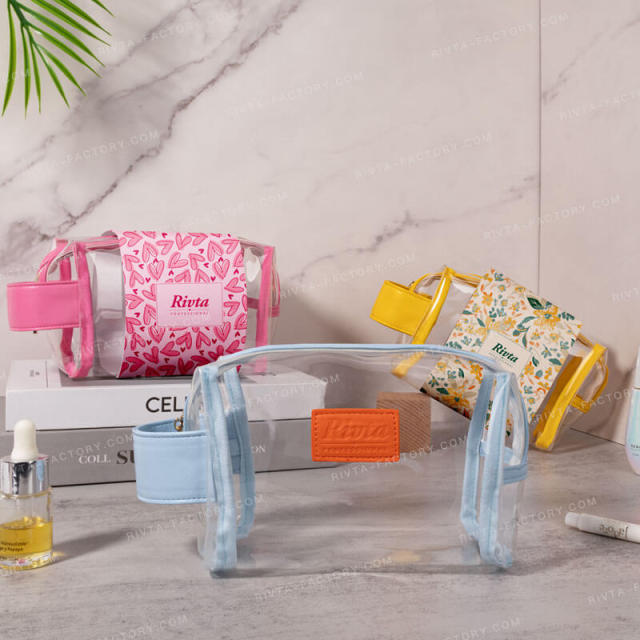
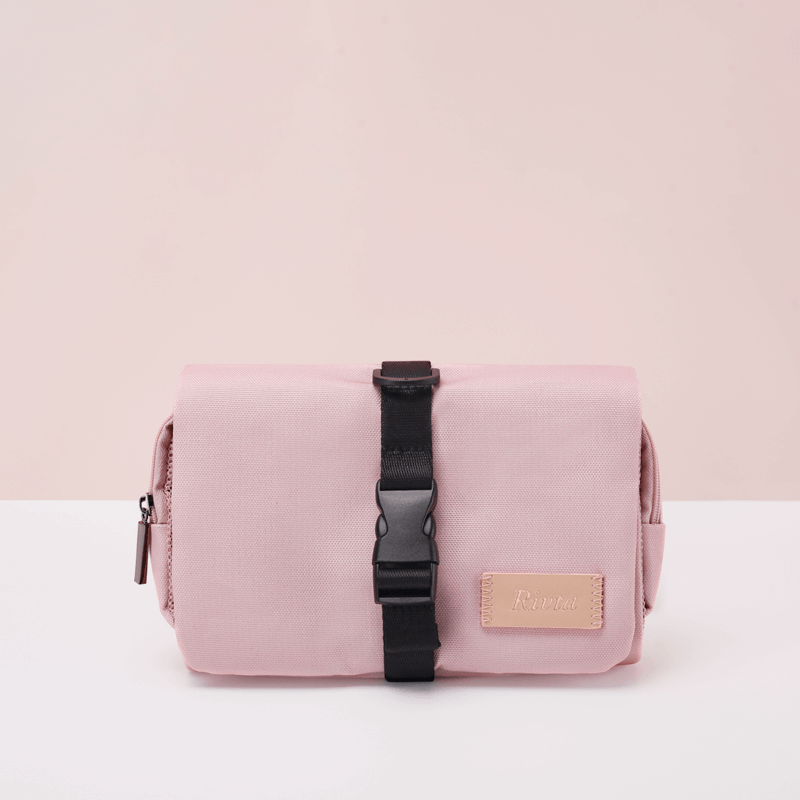
Material should be selected after the buyer defines use case and contents. TPU or clear film can support wipe-clean visibility, rPET can support a recycled-material direction when the component evidence matches the claim, canvas or cotton can support a softer travel kit, and PU can support a premium private-label look.
For recycled wording, Textile Exchange standards1 provide recycled material and chain-of-custody context. The buyer still needs to state whether the claim applies to outer fabric, lining, label, trim or whole product. OEKO-TEX STANDARD 1002 relates to textile harmful-substance testing and should not be treated as proof of recycled content.
| Material route | Suitable use | Approval point |
|---|---|---|
| TPU / clear film | Wipe-clean or visibility route | Check thickness, smell, clarity and seam |
| rPET fabric | Recycled-material story | Check component scope and documents |
| Canvas / cotton | Soft travel or hotel route | Check shrinkage, color and handfeel |
| PU / vegan leather route | Premium private-label route | Check surface, logo method and lining |
| Nylon / polyester | Lightweight travel route | Check denier, coating and durability |
Logo should be approved with material and structure. A large printed logo on a fold line may distort. A woven label can look clean but may shift when the pouch is loaded. A puller logo can feel premium but may add tooling or timing.
Packing should be part of the specification sheet. State whether the product is shipped pouch-only, individually polybagged, sleeve packed, hangtagged, retail carded, boxed or set-packed with contents. If the buyer needs carton marks or barcode labels, include them before quotation. If the buyer has responsible sourcing or social compliance review, document needs may include Sedex SMETA3 and amfori BSCI4, depending on the buyer file requirements.
| Packing route | What to specify | Why it matters |
|---|---|---|
| Polybag | Bag size, sticker, warning text if needed | Basic protection and warehouse handling |
| Sleeve | Artwork, paper, size and orientation | Presentation and print proof |
| Hangtag / card | Barcode, hole, string and market version | Retail or kit identification |
| Set packing | Contents owner and pack-out responsibility | Defines labor and inspection |
| Carton mark | SKU, color, market and quantity per carton | Supports receiving and shipment handoff |
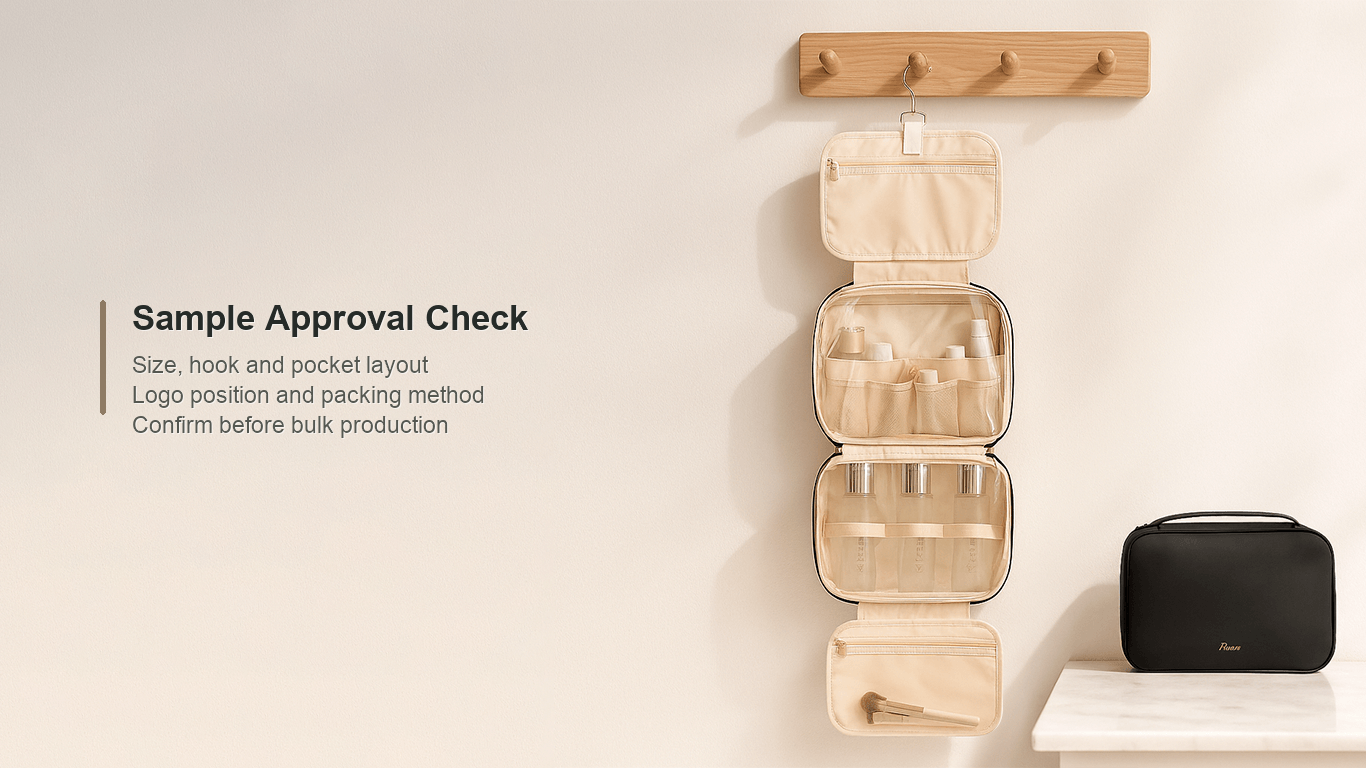
The specification sheet should define how the sample will be judged. For toiletry bags, common checks include size, loaded shape, zipper movement, hook strength, pocket layout, lining cleanliness, logo placement and packing. If the sample approval team includes marketing, procurement and QA, name the final decision owner.
ISO 90016 quality management context is useful, but the buyer still needs product-specific QC points. Rivta can review a project more effectively when the buyer separates functional checks from visual checks.
| QC point | Check before bulk | Reason |
|---|---|---|
| Loaded fit | Contents fit without zipper strain | Protects real use |
| Hook strength | Loaded hanging test route | Protects bathroom use |
| Pocket layout | Bottle, tool and card placement | Protects organization |
| Lining | Clean seam, wipe-clean feel, color | Protects user experience |
| Logo | Position, color and durability | Protects brand approval |
| Packing | Sleeve/card/polybag/carton mark | Protects shipment handoff |
A quote-ready sheet does not need to solve every design decision, but it should show what is fixed and what can be recommended by the factory. Mark must-have items, optional items and open questions. This helps Rivta quote a practical route instead of pricing the wrong structure.
The first message should include quantity, size target, contents, material direction, logo route, packing route, document needs, sample deadline, bulk deadline and delivery market. Incoterms rules5 can guide delivery responsibility language, but the RFQ only needs the agreed handoff expectation at this stage.
This specification sheet is not a trend article and not a MOQ article. A trend article helps buyers decide product direction. A MOQ article checks quantity feasibility. This spec sheet turns an already chosen toiletry bag route into a file that can be quoted, sampled and checked. It supports the Travel & Toiletry Bags money page without competing with it.
Include use case, contents, size, structure, material, lining, hook route, zipper, logo method, packing, MOQ, sample date, bulk date, delivery market and QC checkpoints.
Exact dimensions are preferred, but a contents list and reference sample can start route review. Final sample approval still needs confirmed size and contents fit.
Rivta is suited to MOQ 500+ OEM/ODM toiletry bag projects. Feasibility depends on material, structure, hook, logo, packing and version split.
Yes, hanging toiletry bag routes can be reviewed when the buyer defines hook type, loaded contents, pocket layout, material, logo and packing needs.
No. It is written for B2B beauty, hotel, airline, travel retail and private-label buyers planning custom factory production.
| Page | Use it when |
|---|---|
| Travel & Toiletry Bags | Primary money page for custom toiletry bags, Dopp kits and hanging wash bags. |
| Travel Amenity Kits | Use when the buyer is comparing hotel, airline and travel kit routes. |
| Hotel Amenity Cosmetic Bag | Use for hotel amenity pouch programs. |
| Airline Amenity Cosmetic Pouch | Use for airline pouch projects. |
| Contact Rivta | Send the specification sheet for review. |

WRITTEN BY JOLIAN LU, SEO MANAGER
Jolian Lu leads Rivta-Factory's SEO and content strategy, working with beauty and personal-care brands on custom cosmetic bags, makeup pouches, toiletry bags, sustainable materials and factory-direct OEM production.
Trademark, certification and standard names belong to their respective owners. Mentions are for sourcing education and buyer file planning only; they do not imply endorsement, certification ownership or supplier relationship unless separately documented.

