In today’s business landscape, sustainability isn’t a “nice to have”—it’s a strategic imperative. The tote bag you choose speaks volumes about your brand values, environmental footprint, and commitment to eco-minded consumers. At Rivta, we’ve made it our mission to deliver truly sustainable solutions. In this post, we’ll explore canvas vs. leather tote bags through a sustainability lens—diving deeper into each material’s lifecycle, cost implications, branding potential, and emerging trends—so you can make the smartest choice for your brand and the planet.
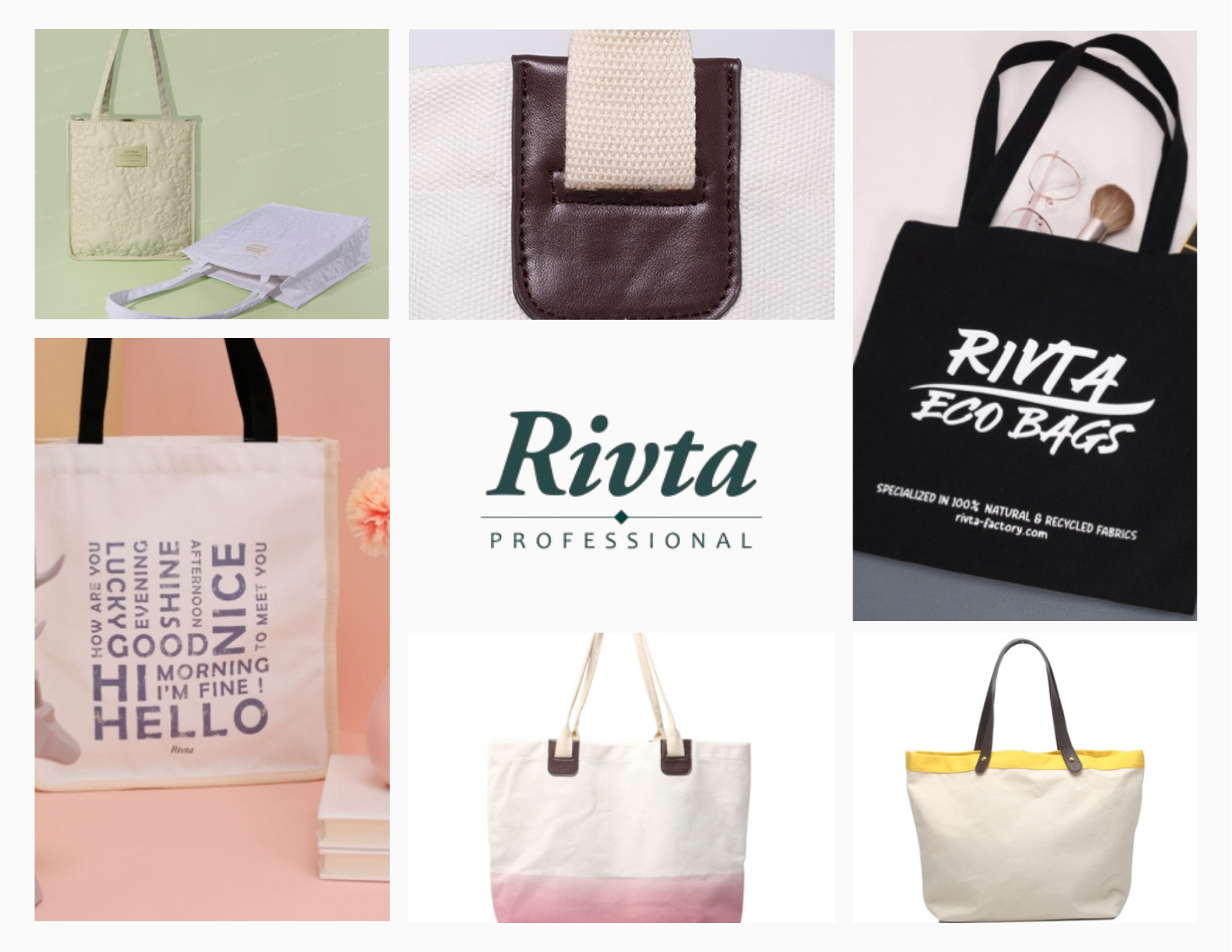
Canvas—woven from cotton, linen, hemp, or recycled blends—is the workhorse of tote materials. Its plain-weave construction delivers exceptional strength without excessive weight, making it ideal for everyday use, from retail packaging to event giveaways.
Visually, canvas lends a casual, approachable air—perfect for brands that want to underscore accessibility, eco-friendliness, and authenticity. Rivta’s organic-cotton and recycled-blend canvas totes showcase how this material can bolster your brand’s green credentials without sacrificing functionality.
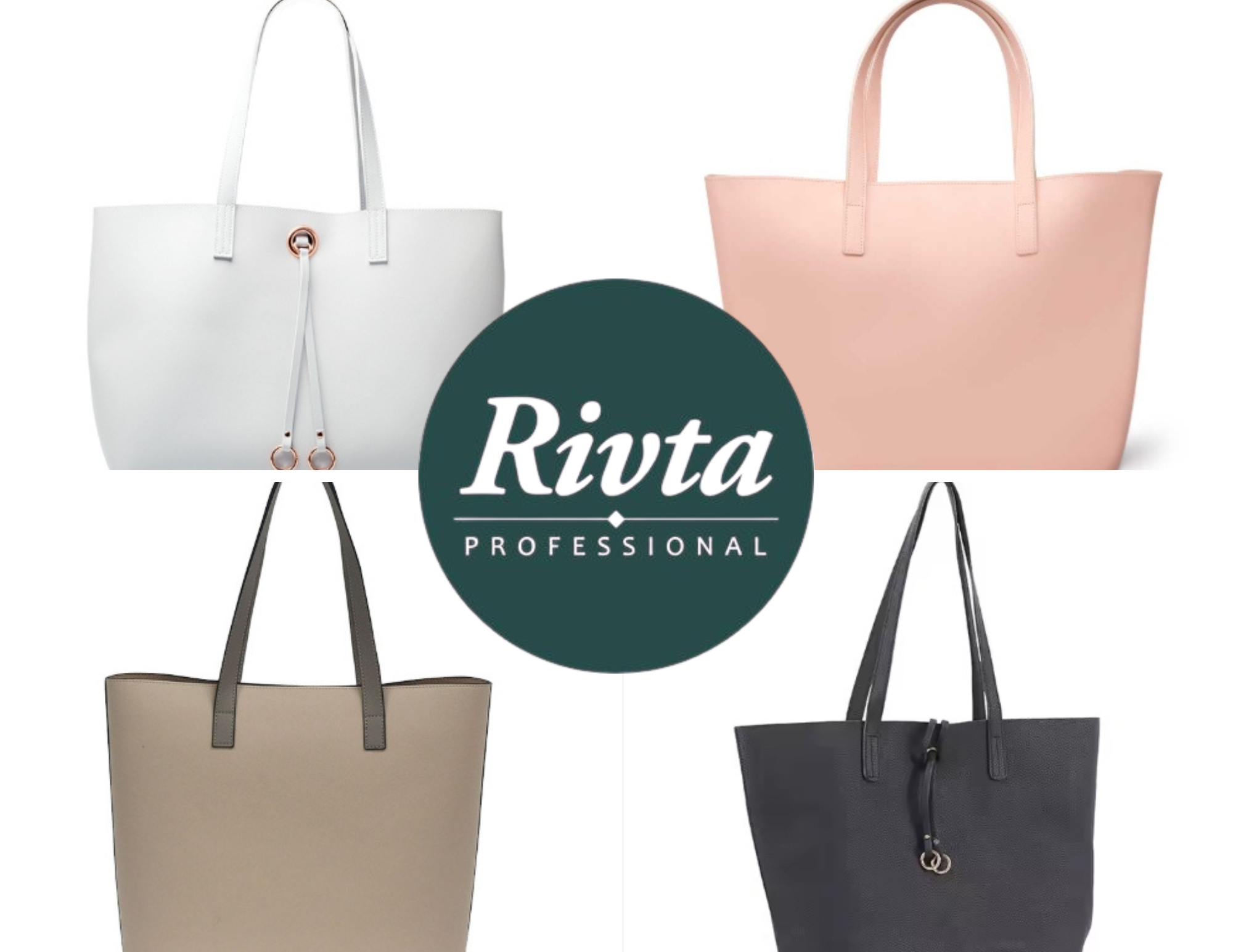
Leather tote bags convey prestige, durability, and timeless grace, developing a rich patina that tells a story over time. They’re a natural fit for luxury skincare lines, high-end essential-oil collections, or any brand seeking a premium feel.
Leather’s undeniable cachet must be balanced against its environmental and ethical considerations—a topic we’ll explore in depth in the lifecycle analysis section below.
The choice between canvas and leather often hinges on user context, brand positioning, and customer expectations.
Leather totes reinforce high-end brand narratives when sold as lifestyle accessories alongside your core products.At Rivta, we bridge this gap by offering canvas alternatives that match leather’s durability and aesthetic—so you never have to choose between style and sustainability.
A full lifecycle assessment (LCA) reveals the true environmental costs of tote materials—from raw fiber cultivation to end-of-life disposal.
a. Canvas (Organic Cotton): Uses 70–90% less water than conventional cotton; no synthetic chemicals.
b. Leather (Vegetable-Tanned): Vegetable tanning reduces chemical runoff, but the underlying animal agriculture remains high in greenhouse-gas emissions.
a. Canvas Production: Energy-intensive spinning and weaving, but advances in solar-powered mills are lowering grid dependency.
b. Leather Tanning: Chrome tanning can discharge hazardous waste; facilities with ZDHC-standard purification systems mitigate much of this impact.
a. Weight & Volume: Canvas is lighter, reducing freight fuel consumption; leather’s density can increase shipping costs and emissions.
b. Packing Efficiency: Canvas bags can be folded; leather often requires protective structuring, increasing packaging material.
a. Durability vs. Frequency of Replacement: Leather may outlast canvas by decades, but canvas’s repairability and recyclability support extended product cycles.
a. Biodegradability: Organic canvas decomposes naturally; leather degrades slowly and may release tanning chemicals if untreated.
b. Recycling & Upcycling: Canvas is easily repurposed; leather scraps can be used in composites or small goods, though industrial recycling streams are limited.
By evaluating these stages, it’s clear that while leather’s longevity is a point in its favor, canvas’s low-impact sourcing and end-of-life benefits often yield a smaller overall footprint—especially when partnered with responsible manufacturing.
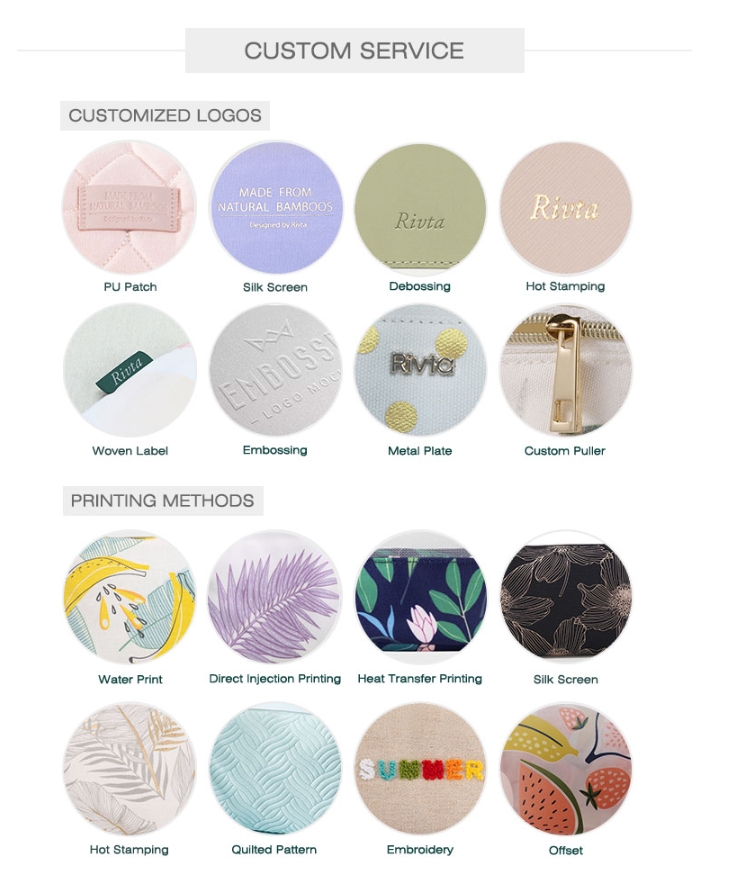
Your tote bag is more than a carrier; it’s a mobile billboard and customer-experience tool. Both canvas and leather offer unique branding avenues:
Sustainability is woven into every fiber of our business:
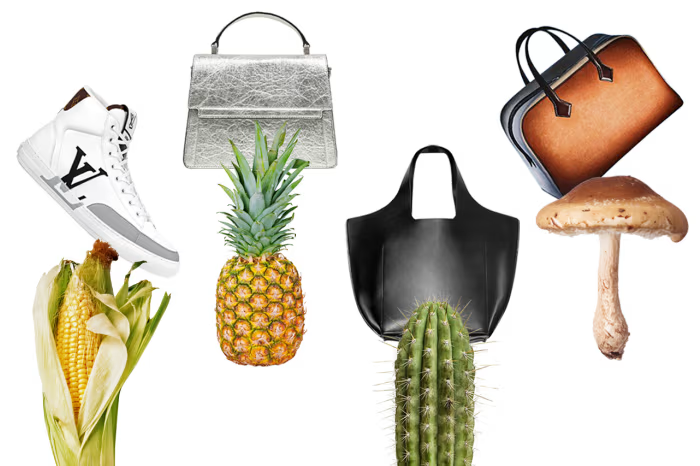
We source organic cotton from GOTS-certified farms, recycled PET with Global Recycled Standard (GRS) certification, and explore emerging fibers like Piñatex (pineapple leaf) and mushroom leather.
Our partner factories adhere to Fair Trade and SMETA standards, ensuring living wages, safe working conditions, and no forced labor.
We’ve eliminated single-use plastics from all packaging and employ fabric off-cut recycling programs to close production loops.
By optimizing shipment consolidation and investing in renewable-energy credits, we offer carbon-neutral shipping for all orders.
Every batch of bags comes with a QR-enabled supply-chain passport, allowing end customers to trace materials, processing locations, and environmental metrics.Whether you’re a skincare CEO seeking sustainable packaging or an outdoor-gear buyer sourcing green merchandise, Rivta delivers high-quality, custom solutions that amplify your brand’s eco story.
| Aspect | Canvas Tote Bags | Leather Tote Bags |
|---|---|---|
| Source | Renewable plant fibers (organic cotton, linen, recycled blends) | Animal hides |
| Eco-Friendliness | High: biodegradable, low water/energy use | Moderate: dependent on tanning method, high agricultural emissions |
| Lifespan | 3–5 years with care; repairable | 10–20+ years; patina develops over time |
| Weight | Lightweight, compact | Heavier, structured |
| Maintenance | Machine-washable, spot-clean | Conditioning, protective sprays |
| Cost per Unit | US$1.50–4.00 (bulk) | US$20–80+ |
| Branding Options | Screen print, embroidery, DTG, sublimation | Debossing, foil stamp, custom hardware |
| End-of-Life | Compostable or recyclable | Limited recycling, slow biodegradation |
Background: A mid-tier skincare company sought branded tote bags for its annual sustainability summit. The primary goal: reinforce eco-credentials while providing attendees a practical keepsake.
This example underscores how canvas can deliver on quality, branding impact, and sustainability—without the premium leather price tag.
1. Can canvas withstand heavy loads like leather?
Yes—high-quality 12–14 oz canvas can comfortably carry 15–20 lbs. Reinforced stitching and webbing straps further boost capacity.
2. How do I ensure leather is responsibly sourced?
Look for vegetable-tanned hides, LWG-certified tanneries, and suppliers with transparent animal-welfare policies.
3. What’s the typical lead time for custom canvas vs. leather orders?
Canvas prototypes: 5–7 days; production 15–25 days. Leather prototypes: 7–10 days; production 25–40 days—varying by tanning process and finishing.
4. Can I mix canvas and leather in one design?
Absolutely. Compound designs (canvas body, leather straps) balance cost, aesthetics, and eco-cred.
5. How do I communicate sustainability to my customers?
Use labels and hangtags detailing certifications (GOTS, GRS), include QR-code supply-chain passports, and share stories on your website and social channels.
Your choice of tote-bag material does more than hold products—it shapes your brand narrative and market perception. Leather exudes timeless grace, but its environmental toll and care requirements may collide with today’s sustainability priorities. Canvas, in contrast, offers versatility, low impact, and broad customization—all at a fraction of the carbon footprint.
At Rivta, we’ve harnessed the best of canvas to create stylish, durable totes that meet your green objectives and engage eco-minded audiences. From essential oils to outdoor gear, our custom solutions let you lead with confidence and conscience.
Make the choice that reflects your vision—partner with Rivta for tote bags that embody quality, sustainability, and enduring style.
Have questions or need a personalized quote? Reach out to our sustainability experts today—and let’s carry your brand toward a greener future.

WRITTEN BY JOLIAN LU, SEO MANAGER
Jolian Lu leads Rivta-Factory's SEO and content strategy, working with beauty and personal-care brands on custom cosmetic bags, makeup pouches, toiletry bags, sustainable materials and factory-direct OEM production.

