Are you struggling to find makeup bags that are both eco-friendly and stylish? Many brands lose money by picking the wrong materials. Let’s build a strategy that wins in 2026.
A successful 2026 makeup bag strategy balances tactile sustainability with high-perceived value. Focus on sensory fabrics like RPET satin and velvet, plant-based leathers, and modular designs. This approach satisfies eco-conscious consumers while maintaining healthy profit margins through smart material substitution and flexible manufacturing.
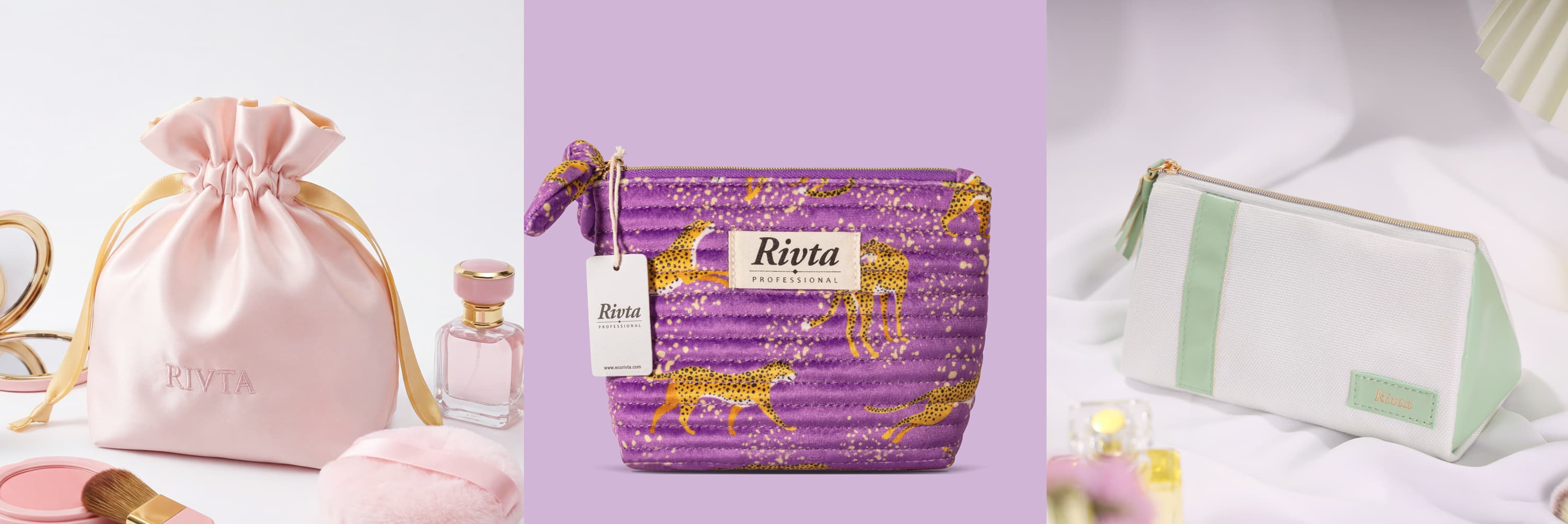
View more sustainable custom cosmetic bags >>>
I have seen too many brands focus only on the "green" label and forget about the user experience. If a bag is sustainable but feels rough or looks boring, customers won't buy it twice. To help you avoid this trap, let’s look at the four pillars of a winning 2026 strategy that keeps your customers happy and your business profitable. If you are also looking for trusted production partners, our Top Toiletry Bag & Cosmetic Pouch Manufacturers in China: The 2026 Buyer's Guide & Factory List can help.
Tired of boring, flat fabrics that feel like plastic? Customers now want to touch and feel quality. If your bags feel cheap, your brand value drops instantly in their eyes.
The 2026 sensory shift replaces flat synthetics with tactile fabrics like RPET satin and velvet. These materials offer a premium feel and high visual appeal for social media marketing. They improve customer satisfaction by providing a luxury experience while utilizing recycled fibers.
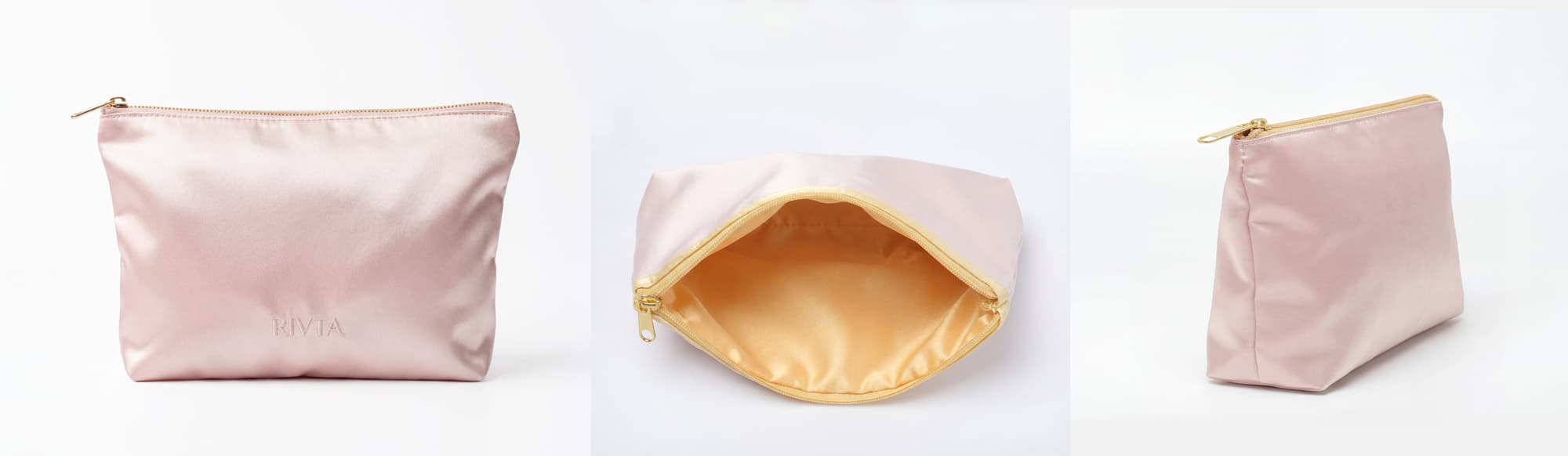
View more RPET satin cosmetic bags >>>
In my years of design, I have learned that touch is the most underrated sense in marketing. When a customer picks up a bag made from RPET velvet or satin, they immediately feel a "premium" sensation. This tactile feedback is much more powerful than a simple logo. But it is not just about touch; it is about "Instagrammability." In 2026, your product must look good on a TikTok or Instagram feed. RPET Satin, for example, has a liquid-like gloss that catches the light beautifully during an unboxing video. It provides that classic luxury look but uses recycled plastic bottles as the base. It moves the conversation from "is it cheap?" to "is it beautiful?". These fabrics create an emotional connection that flat polyesters simply cannot match. For a deeper look at the technical differences, you can check my guide on RPET vs Virgin Polyester.
| Material Type | Hand-Feel | Visual Appeal | Social Media Impact |
|---|---|---|---|
| RPET Satin | Silky, Smooth | High Gloss/Shine | Excellent for Videos |
| RPET Velvet | Soft, Plush | Deep, Rich Color | Great for Flat-lays |
| Tencel (Lyocell) | Cool, Natural | Subtle Matte Sheen | Perfect for "Eco" Aesthetic |
Do your vegan products look like cheap plastic? It is hard to tell a "pure" brand story when your materials feel fake. You need a better way to stay premium.
Next-gen plant-based aesthetics use apple and pineapple leathers to tell a high-end vegan story. These materials provide the natural texture of real leather without the environmental impact. They are perfect for premium collections targeting conscious consumers who demand style.
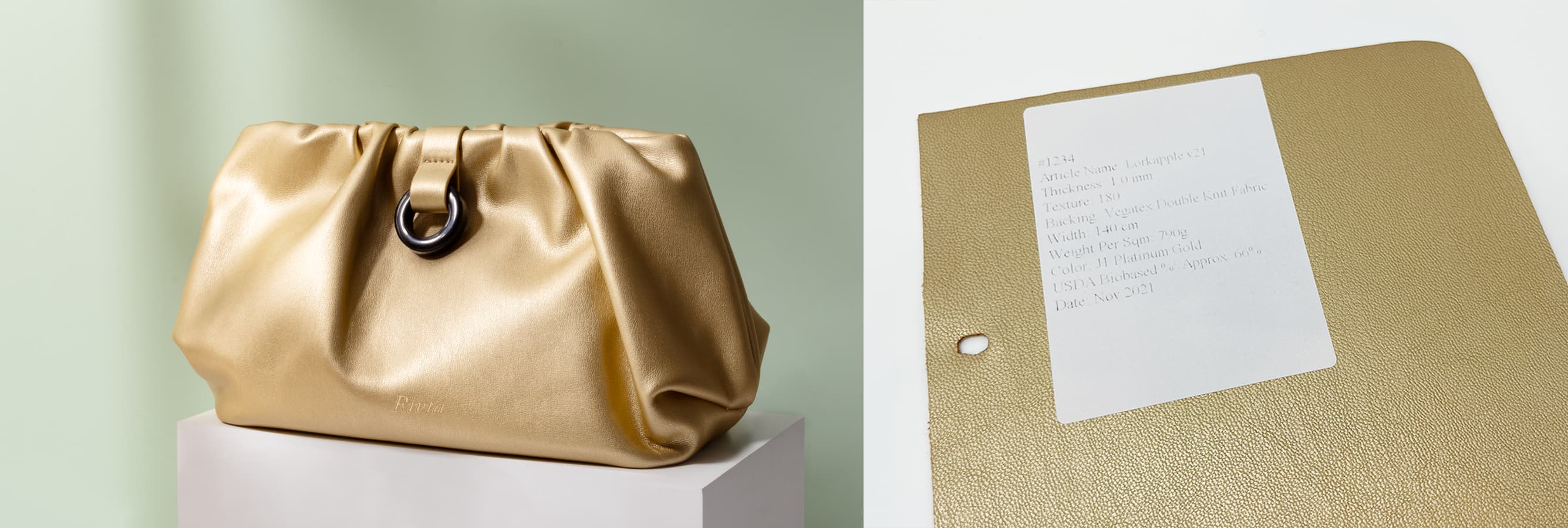
View more custom luxury vegan leather bags >>>
I am personally excited about the growth of plant-based leathers. We are moving far beyond "PU leather" which is often just another type of plastic. Materials like Apple Leather and Pineapple Leather (Piñatex) offer a unique story that customers love to share. They are conversation starters. Apple leather, made from the waste of the juice industry, has a beautiful, fine grain that mimics high-end calfskin. Pineapple leather has a more rugged, natural texture that works great for travel gear. Using these materials allows you to charge a premium because you are selling innovation and ethics, not just a bag. I always suggest that brands use these materials for their "hero" products to build authority. I recommend reading more in my Apple Leather Guide or comparing Pineapple Leather vs RPET PU to see which fits your next collection.
| Plant Leather | Origin | Texture | Brand Message |
|---|---|---|---|
| Apple Leather | Food Waste | Smooth, Fine | Sophisticated Luxury |
| Pineapple Leather | Leaf Fiber | Textured, Strong | Adventure & Raw Nature |
| Corn Leather | Grains | Flexible, Soft | Modern High-Tech Eco |
Are your bags ending up in the trash? Customers hate waste and single-use items. If your bag only does one thing, it is likely going to be replaced very quickly.
Designing for longevity means creating multi-functional and modular bags. These structures allow customers to use one product for multiple purposes. This strategy increases the item's lifecycle and proves that your brand cares about quality and the environment.
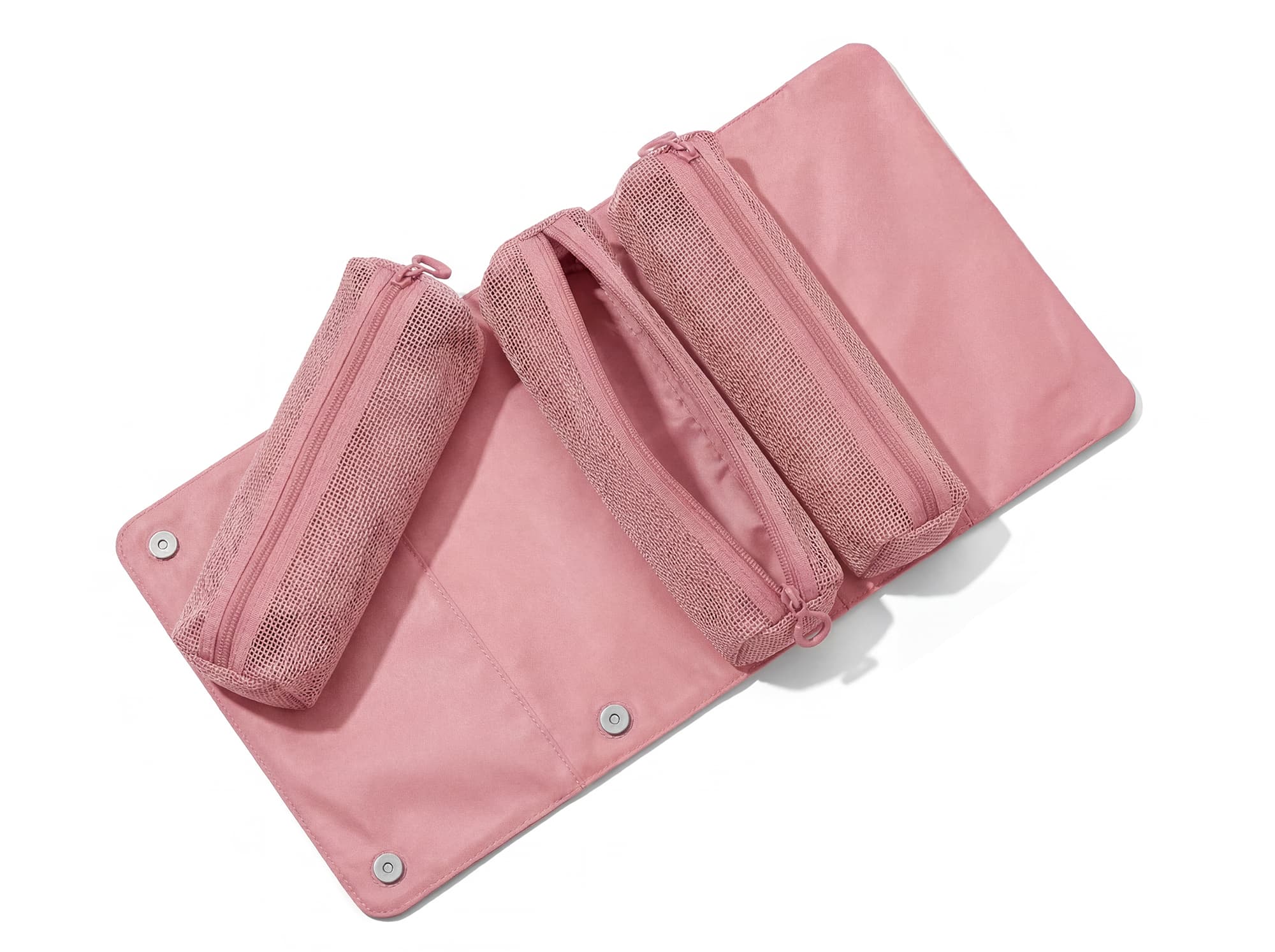
View more custom cosmetic bags >>>
The "one-and-done" era is over. In 2026, my focus is on "modular design." Imagine a large vanity case that has smaller, removable pouches inside. This versatility adds massive value in the eyes of the consumer. But longevity is also about durability. A bag can only stay in use if its parts don't break. At Rivta, we use in-house salt-spray testing to ensure that even the smallest metal puller stays rust-free for years. This professional attention to detail means your brand won't be associated with broken zippers or peeling hardware. From a manufacturing side, we can help you test these modular designs through Small Batch Manufacturing. This lets you see which combinations your customers like best before you commit to a huge order. It is a smart way to increase your ROI while giving the customer a product that truly lasts.
Do you want a silk look without the silk price? High-end materials can eat your budget fast. You need a way to get luxury vibes without losing your profit margins.
Strategic material substitution focuses on High-Perceived Value (HPV). Our RPET Satin is engineered to mimic the liquid gloss and soft feel of silk at a fraction of the cost. This allows you to achieve a luxury look on a sustainable budget.
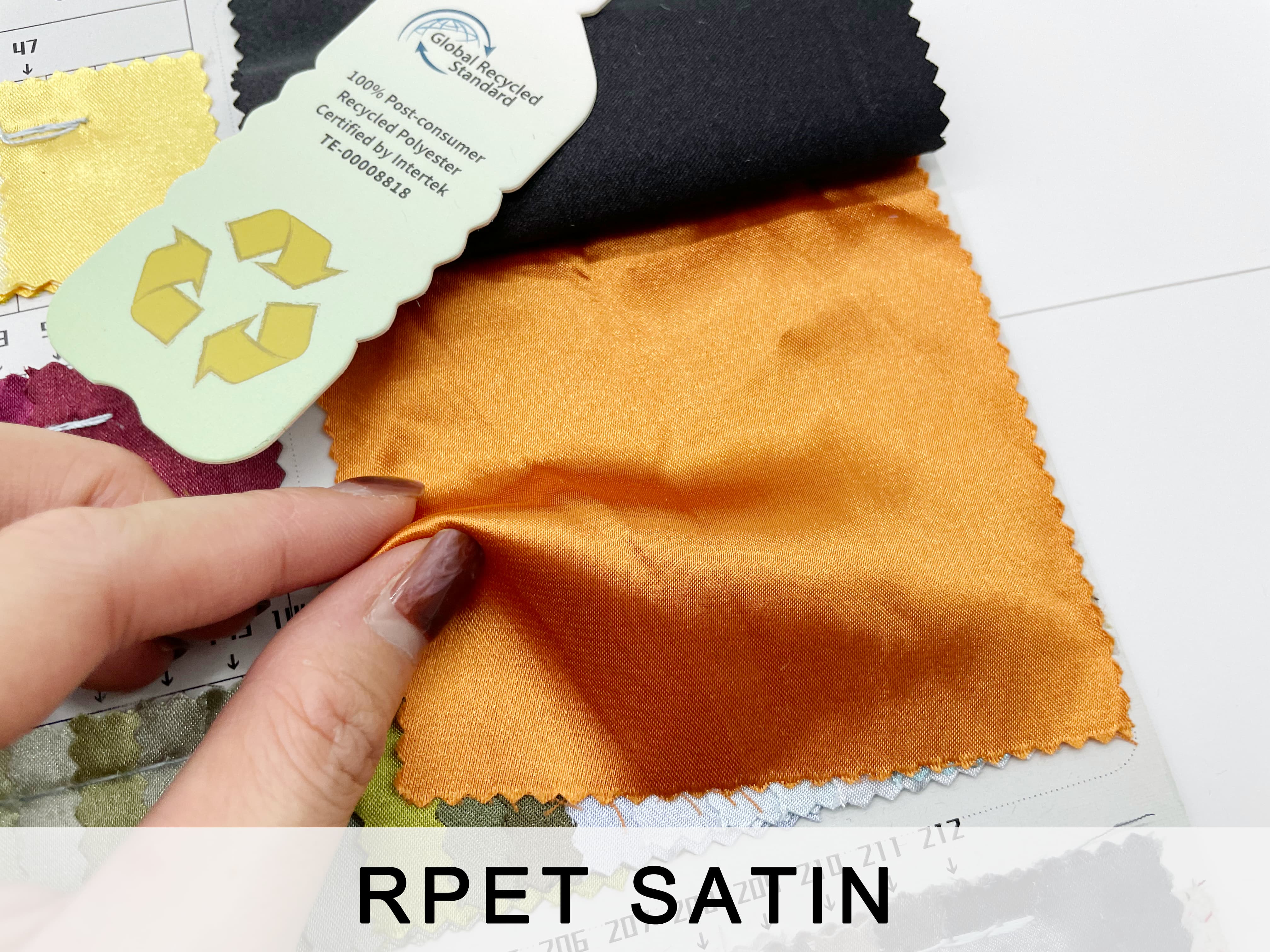
Get the RPET satin fabric swatch cards >>>
This is my favorite "secret" for keeping projects on budget. You don't always need the most expensive fabric to get the most expensive look. For example, we recently helped a client replace 100% silk with our premium RPET Satin. The production cost dropped by 60%, but the customer satisfaction score actually increased. Why? Because the recycled version was more durable and much easier to wipe clean than delicate silk. To the untrained eye—and even to many experts—the difference is indistinguishable, but the cost profile is night and day. By choosing the right "look-alike" sustainable material, you can save enough money to invest in custom hardware or more complex stitching. This strategy is essential for brands that want to maintain a high-end image while scaling production. For a deep dive into cost-saving design, check out our GWP Playbook on designing $2 high-value bags.
| Feature | Real Silk | RPET Satin |
|---|---|---|
| Visual Shine | Natural, High | Identical, High |
| Maintenance | Difficult | Easy (Wipe Clean) |
| Cost Factor | $$$$$ | $ (60% Lower) |
Succeed in 2026 by choosing tactile, sustainable materials like RPET satin and plant-based leathers that offer high-perceived value. Ready to build your 2026 collection? Get our curated swatch book of RPET Satin and Vegan Leathers today.

WRITTEN BY JOLIAN LU, SEO MANAGER
Hi there! I'm a mom to an awesome eleven-year-old boy. I started in this business as a fresh-faced graduate and now lead Rivta-Factory's SEO and content work. Here to share my passion for sustainability and building a business that cares. Let's grow together!

